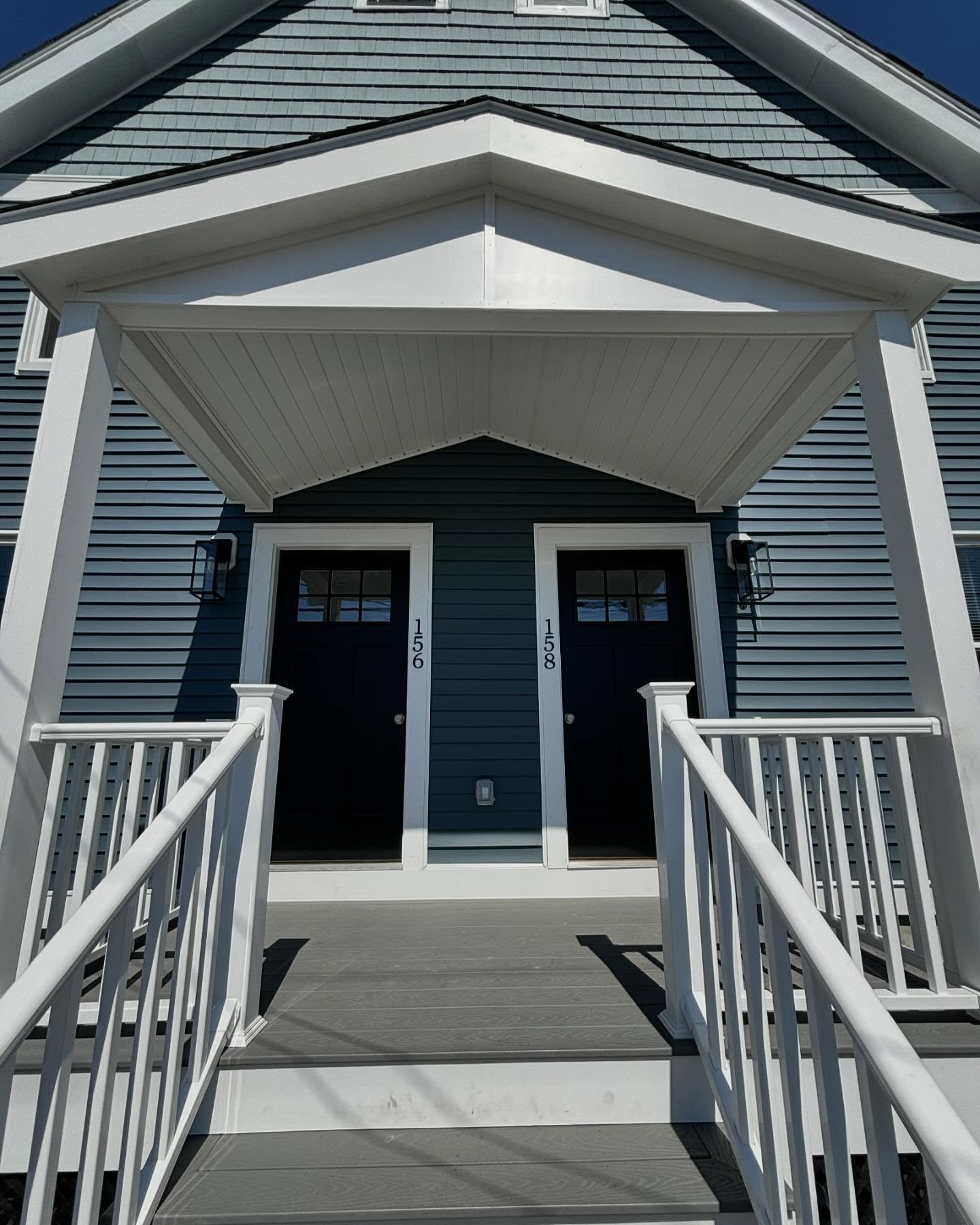
Mastering the Art of Exterior Painting: Tips for a Lasting Finish Dec 28, 2025
Preparation is Key
The foundation of any great painting job begins with preparation. First, inspect your exterior surfaces for any signs of damage such as cracks, peeling paint, or mildew. Address these issues by cleaning surfaces thoroughly with a pressure washer and repairing any defects. For areas impacted by mildew, a mix of water and a mild detergent can be used to scrub the surface, ensuring it's clean and ready for paint. Properly preparing your surface not only ensures better adhesion but also extends the paint's life.
Choose the Right Paint
Selecting the right paint is crucial for ensuring a long-lasting exterior finish. Opt for high-quality exterior paints that are specifically formulated to withstand harsh weather conditions. Consider choosing paints with built-in primer to save time while enhancing adhesion and color retention. Acrylic latex paints are generally a top choice due to their durability, flexibility, and easy cleanup with soap and water.
Prime for Perfection
If your chosen paint doesn't include primer, applying a dedicated primer is essential, especially on new wood or patched areas. Primer helps to seal the surface, allowing the paint to adhere better and providing a uniform base for color coverage. Always ensure your primer and paint are compatible for the best results. A properly primed surface prevents peeling and enhances the longevity of the paint finish.
Optimal Weather Conditions
Timing your project around optimal weather conditions can make a significant difference. Aim to paint on days that are dry and mild to ensure the paint dries correctly. Avoid painting in extremely hot, cold, or wet weather as these conditions can affect adhesion and drying time. Ideally, choose a day when temperatures are between 50 and 85 degrees Fahrenheit and humidity is low.
Apply Proper Technique
Technique matters when it comes to creating a professional finish. Use high-quality brushes and rollers designed for exterior use to achieve even coverage. Start at the top and work your way down to avoid drips and streaks. Pay special attention to edges and corners to ensure thorough coverage. Two coats are generally recommended for the best coverage and durability.
Finishing Touches
Once the painting is complete, inspect your work for any missed spots or imperfections and touch up as needed. Cleaning your tools immediately after use will ensure they remain in good condition for future projects. Proper clean-up and disposal of leftover materials contribute to environmental sustainability and maintain the quality of your tools.
In conclusion, mastering exterior painting requires attention to detail and adherence to these proven techniques. By following these expert tips from Prime Paint Group, you can achieve a durable and aesthetically pleasing finish that withstands the elements and stands the test of time. Remember, the difference between a good paint job and a great one lies in the preparation, technique, and choice of materials. Happy painting!
/filters:no_upscale()/filters:format(webp)/media/fe673b58-b6c4-41a9-b237-fa980e7f65df.jpeg)
/filters:no_upscale()/filters:format(webp)/media/51eeacda-9237-4f2d-a4ed-adc719a98c44.jpeg)